

Marvel Rivals fundamentals from Gefest's workbook.
Choose a decision you want to improve, learn why it matters, then take one small practice task into a match. The workbook connects fundamentals, role jobs, mindset and replay review.
These notes summarize the workbook's coaching topics. Each lesson keeps its original guide, video or article links so you can explore the source explanation.
Start with one decision you can repeat.
A workbook is most useful when it changes what you notice during a fight. Choose a recurring problem—an exposed position, an early entry, an unclear role job or a chase that prevents a reset—then use the relevant lesson below to give that moment a simple cue.
Read the explanation before the practice focus. The explanation tells you why the decision matters; the focus gives you a manageable action to repeat. Keep that action for a match, then review one instance before choosing another topic. You do not need to practise all thirteen lessons at once.
Find the lesson for that moment.
Search a topic or choose a category. The practice instructions and source links stay with each lesson; filtering this reading list does not hide the fight sequence or hero examples below.
13 guides
Fundamentals
Strategic Cover Usage
Make cover the starting point for pressure rather than the place you search for after losing a trade. Peek to achieve something, trade damage, then break sightlines before the enemy can give a full answer. Preparing that return makes the next attempt more repeatable.
Practice focus: In each fight, name your next cover piece before you spend a cooldown. If you cannot name it, rotate first and shoot second.
Fundamentals
High Ground Discipline
Judge height by the choices it creates. A useful elevated position changes enemy pathing, protects your resources or lets you decide when the duel begins. Dropping without a fight-winning reason can give away those advantages and save the enemy the mobility they would have needed to reach you.
Practice focus: Before dropping, ask whether the drop wins the fight now. If not, keep the angle and make the enemy spend mobility to reach you.

Fundamentals
Non-linear Rotations
A rotation should change the problem the enemy has to solve, not merely shorten your walk. A less obvious route can hide your timing and preserve cooldowns while creating new pressure on the backline. When an entry fails, compare the path you used with a route that avoids the main enemy angle without abandoning the objective.
Practice focus: After every lost fight, identify one route that would have avoided the enemy main angle while keeping pressure on the objective.
Fundamentals
Power Positions
A useful position connects pressure with a route out. It lets you influence multiple lanes and makes enemies look away from the team while leaving a safe retreat. Choose the position for the fight you intend to play, then identify where you will reset if that plan changes.
Practice focus: On each map, mark one power position for poke, one for brawl staging, and one emergency reset position.
Fundamentals
Killboxes
A killbox is the space threatened by several friendly angles at once. Prepare those overlapping lines around the enemy route so a teammate can help punish the same entry. Chasing alone gives up the shared pressure the setup was meant to create.
Practice focus: Ping the enemy path, then hold two angles on the same doorway or corner for three seconds before committing mobility.
Fundamentals
Lane Control and Uptime
Lane control changes where the enemy can safely stand. Keep useful pressure on that space without exposing yourself so far that the position becomes unsustainable. Uptime is time spent contributing: a necessary rotation, heal, scout or reset can prepare the next useful exchange rather than count as wasted time.
Practice focus: Review one fight and count dead time: seconds spent neither pressuring, rotating, healing, scouting, nor resetting.
Fundamentals
Timing and Target Priority
Pressure becomes a fight-winning opportunity when it reaches a target your team can punish. An isolated enemy, a missing cooldown or a player forced to look away can give the entry a purpose. Identify the target, the trigger that makes them vulnerable and your exit before turning the setup into a commitment.
Practice focus: Call your engage window in three words: target, trigger, exit. Example: "Luna, bubble out, left room."
Roles
Carry on Vanguard
Vanguard value comes from shaping where the fight can happen. Claim ground the team can use and spend defensive resources to gain or preserve that space. Simply standing on the point does not explain whether your cooldowns helped the team move, hold or survive.
Practice focus: Track whether each cooldown created space, saved space, or was spent after the space was already lost.
Roles
Carry on Duelist
A Duelist's final burst is easier when scouting, setup and a useful crossfire come first. Establish a threat before demanding an elimination; an enemy who has to turn toward your angle is already making a different decision. Connect that attention to the team's entry instead of treating the finish as a separate solo play.
Practice focus: Spend one fight setting up before your tank touches. If the enemy turns early, you already created value.

Roles
Carry on Strategist
Proactive support means choosing which problem needs your resources next. Stabilize the teammate in danger, pressure a useful lane when there is room, and retain utility for the enemy's way of winning the fight. The aim is a deliberate response rather than spending every available tool on the first pressure you see.
Practice focus: Before each fight, predict the enemy engage tool and decide which cooldown is reserved for it.
Mindset
Autopilot, Tilt, and Anxiety
The workbook treats autopilot, tilt, anxiety and consistency as practice problems rather than a reason to abandon deliberate decisions. Choose one cue you can return to under pressure, such as preparing your position or reviewing a death before another queue. A repeatable focus makes it easier to notice when attention has drifted.
Practice focus: Pick one focus cue per block: cover before damage, rotate after cooldowns, or review one death before queueing again.
VOD Reviews
Self-review Framework
A replay is most useful when it reveals a decision you can repeat differently. Look back through setup, resource use, entry timing and target selection instead of stopping at a single frame to assign blame. Find the first choice that made a death likely, then carry one concrete adjustment into the next fight.
Practice focus: Review three deaths only. For each, write the first decision that made the death likely, then one fix you can apply next fight.
Analyses
Pro Match Analysis Library
The workbook's OWL (Overwatch League) material examines engagement plans, spam and dive structures, brawl matchups, positioning and resources. Use it to practise reading how a team prepares and starts a fight. These examples come from another game, so study the planning questions rather than assuming its hero details transfer directly to Marvel Rivals.
Practice focus: Watch one pro fight with sound off. Pause before the engage and predict which lane starts the fight and which cooldown decides it.
How a fight flows
The same technique can help or hurt depending on when you use it. Prepare a position before adding pressure, commit when that pressure exposes a useful target, and leave before the answer traps you. This sequence connects the individual lessons into one fight plan.
- Stage. Start near cover with an exit and a teammate who can trade.
- Pressure. Open an angle that forces attention without spending every cooldown.
- Collapse. Commit when the target is isolated, low-resource, or looking away.
- Reset. Leave before the counter-engage turns your good angle into a trap.
Hypothetical practice: the angle that needs a reset
Imagine setting up beside a doorway, with a teammate ready to add pressure. You draw attention and an enemy becomes vulnerable, but the counter-engage then makes that angle unsafe. The useful decision is to use the exit you prepared, not insist that the original position must keep working. Review whether the initial pressure created an opening and whether you left before the position became a trap.
Character examples from the workbook
A hero example shows how a general habit fits a particular job. Use these workshops to connect positioning, timing and resources to a hero you play, then return to one practice cue rather than copying every action from a video. The linked examples reflect their source material.
Vanguard
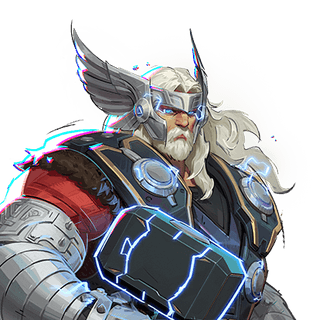
Thor
Use the Thor material to connect starting position with engagement timing and backline pressure. Read where the play begins, when it becomes useful and how the pressure changes the rest of the fight.
Strategist
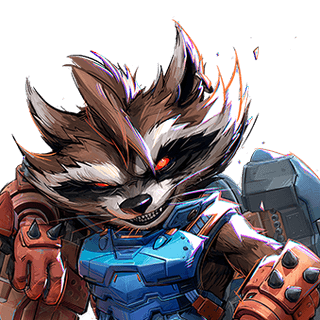
Rocket Raccoon
Connect angle control with movement routes and support uptime. In the Rocket examples, look for how a position leaves another route available while the player keeps contributing to teammates.
Vanguard
Magneto
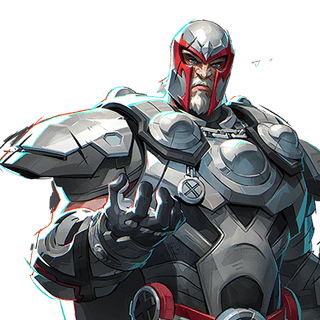
Read the Magneto examples through dynamic positioning, bubble timing and target priority. Ask what ground the team needs, which pressure the protection answers and whether the chosen target helps gain control of the map.
Strategist
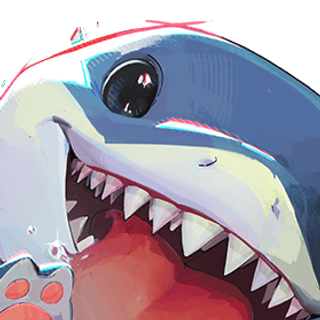
Jeff the Land Shark
Follow how space control and lane support keep a team's pressure stable. The Jeff material offers a role example for deciding where help is useful and which part of the fight needs to remain playable.
Strategist
Invisible Woman
Use the Invisible Woman examples to examine sightlines, resources and angle control together. A position is useful when it allows support to reach the fight without spending every answer just to remain there.
Duelist
Star-Lord
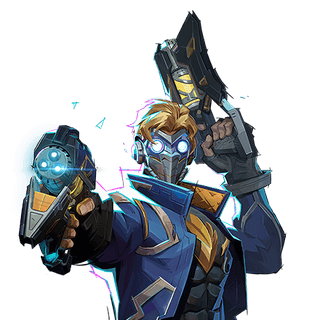
The Star-Lord material connects scouting and setup with Duelist timing. Watch for the change from poke to committed burst, then ask what information or opening made that timing useful.
Workbook hero coverage by role
These names describe the workbook's coverage, not a current tier list. Start from your role and use the linked learning material to understand the job you want to practise.
Vanguard
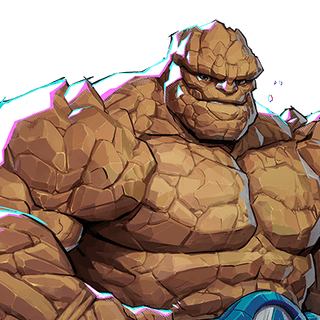
Captain America, Doctor Strange, Emma Frost, Groot, Hulk, Magneto, Peni Parker, The Thing, Thor, Venom
Duelist
Black Panther, Black Widow, Blade, Hawkeye, Hela, Human Torch, Iron Fist, Iron Man, Magik, Mister Fantastic, Moon Knight, Namor, Phoenix, Psylocke, Scarlet Witch, Spider-Man, Star-Lord, Storm, Punisher, Winter Soldier, Wolverine
Strategist
Adam Warlock, Cloak & Dagger, Invisible Woman, Jeff the Land Shark, Loki, Luna Snow, Mantis, Rocket Raccoon, Ultron, Gambit
Review one decision before adding another goal.
Choose a practice focus from the lesson you used. After the match, revisit one fight and identify the earliest decision you could change: the setup, resource spent, entry timing, target or exit. Write one adjustment for the next attempt. A clearer decision is useful progress even when the match result does not improve immediately.