

Vanguard guide
Tank Fundamentals: Turns And Space
A Vanguard fundamentals guide about taking turns, holding space, main tank vs off tank jobs, solo tanking, and using ultimates during the fight instead of forcing them as risky openers.
Your job. Hold as much useful space as possible without dying, read whose turn it is, and spend cooldowns when your team can actually follow up.
Use this guide when you play Vanguard, fill solo tank, push too far without follow-up, sit cart after won fights, or struggle to understand when you should walk forward or give space.
Source: Tank rank-up guide transcript (opens YouTube in a new tab)
The examples follow the source review. Hero kits and balance may differ from the current game; use the decision process and check current ability values in-game.
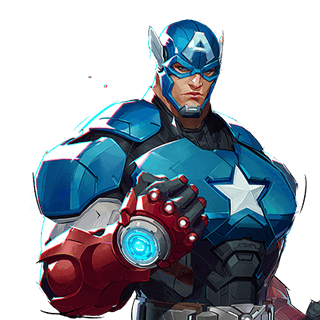
Tank is a fundamentals role
Vanguard is a fundamentals role, not simply a durability choice. You need awareness, map knowledge, cooldown discipline and timing to decide when to hold, give ground, protect a teammate or leave. Playing near the front often lets you read both the enemy in front and the teammates behind you.
The central aim is to hold as much useful space as you safely can while staying alive. You do not need to make every play personally. You need to create a fight in which your teammates can use their own tools, then recognize when their next turn needs your support.
Understand turns
The source describes a fight as a rhythm of turns: one team spends pressure, the other answers, and control of space shifts. Dive pressure often goes first. If Venom is attacking your supports, their attention and healing are occupied; walking forward alone can leave you with no follow-up and no recovery.
When that diver retreats low and draws healing from their own supports, the window can reverse. Advance and spend offensive tools while the enemy is recovering. In a front-to-back fight, the same opening may come from their tank taking more poke and backing away. On your turn, turn resources into pressure; on theirs, use cover, preserve health and give ground when necessary.
Main tank job: own main space
The main tank owns the objective lane, important choke points and the route the team must cross. Think of useful ground as properties on a board: claim what your team can actually hold. After a won fight, defaulting to the cart gives away the chance to set a forward line and make the enemy fight sooner.
A forward hold can buy payload distance during neutral, even if the next fight is eventually lost, but it must remain a soft hold. If several enemies emerge or your supports are distant on the cart, yield before your health becomes critical. Stay near cover and fall back from corner to corner instead of gambling on an ego hold or surrendering the entire map at once.
Cover, corners, and right-hand peeks
Holding space is unsustainable if the enemy can deal unlimited free damage to you. Corners and right-hand peeks let you contribute while exposing less of your body. Taking damage to feed support ultimate charge is not useful if it forces you out of valuable ground or gets you killed.
The right cover line also depends on enemy power positions. A Duelist on height may create too many angles for the usual corner to remain safe. A tank with accessible vertical movement can answer that position differently from Emma Frost or another less mobile frontline tank. Know the limits of your hero; when the height cannot be contested safely, move to the next cover line rather than die proving it.
Marking angles depends on your tank
Marking an enemy angle means limiting its value, not automatically chasing its owner. Your range, movement and role in the composition decide how to do that. Magneto can often influence angles by shooting from the point; Emma Frost can pressure some with her beam, but walking too far away may let the opposing tank reach her backline.
A low-range frontline tank cannot afford to follow every Star-Lord or ranged threat and abandon main control. Mobile tanks such as Rogue, Hulk, Thor, Captain America and Venom can contest some side routes more naturally. Even then, decide how you will leave and whether the trip still serves your team's fight.
Off tank job: clear side space
With two tanks, the main tank can hold the objective and main route while the off tank clears side space, high ground and off-angles. Catching a Duelist on the route to your backline can force an early cooldown or retreat before they achieve anything. That recovery time may create the next forward turn for your team.
The source uses Captain America and Venom as examples of closing quickly on poke heroes above the fight. Hulk, Rogue and Thor can meet divers on side routes and make them spend resources before reaching supports. These are purposeful assignments, not a licence for random pursuit: remove the angle that stops your team advancing, then reassess the main fight.
Solo tanking: play like a 600 HP support
The source's description of solo tanking as playing like a '600 HP support' is a way to emphasize the job, not a universal health value. As the only tank, your freedom to leave main for a creative angle is limited. The guide identifies Magneto, Emma Frost and Doctor Strange as comfortable options because their tools can hold the point, protect space and help teammates reliably.
Your three connected responsibilities are to contest the objective or main space without dying, add damage and utility to the target your Duelists are actually attacking, and protect supports under a dive. When the backline is busy surviving, take cover first because healing may not reach you. Use shields, bubbles, poke or pressure to help them live, then look forward as the dive leaves. If both teams dive at once, support survival usually comes before helping your own diver: losing sustain can make the objective impossible to hold.
Support your Duelists on their turn
A solo tank with three Duelists usually supports their timing rather than inventing a separate flank. When Iron Fist, Spider-Man, Phoenix or another teammate makes a real commitment, help by shooting their target, protecting them where your kit permits, or taking enough ground to make that play safer.
Look at the target they can actually reach. You may need to weave shots past the opposing tank toward the less durable hero your teammate is pressuring. If the Duelists are already ahead and likely to die without help, a little more space may be necessary. Balance that support against the cost of exposing your backline or abandoning the point as the only tank.
Ultimate timing for tanks
The guide warns against treating a tank ultimate as a risky opening move, particularly when you are the only tank. A cast during an active turn, after enemy resources are committed, often meets fewer clean answers. Strange's ultimate can protect a backline under a dive rather than announce a predictable engage before anyone has spent a cooldown.
The Magneto example is an ultimate used during a frontline trade to deny healing on a low target, then turn the throw into offensive pressure. The wider lesson is timing, not a guaranteed result from either hero. Preserve the solo tank's life: a setup that gets you killed can hand the enemy far more space than the attempted ultimate could win.
Tank checklist
Before spending a major cooldown, identify whose turn it is. Advance when your team owns pressure or the enemy is recovering; give ground when the enemy is spending resources and your team needs to survive. Hold the furthest safe line, but keep a sequence of cover positions available for the retreat.
Then match the assignment to your composition. Clear a side angle only when your hero can do it without abandoning a more important job. Alone on tank, connect support survival, objective control and your Duelists' target. Use ultimates within an active opportunity rather than building an easy-to-counter opening that costs your life.
Hypothetical practice: wait out a dive, then take your turn
An enemy Venom reaches your supports while you are holding the main lane. Advancing at that moment would ask for healing and follow-up from teammates who are occupied surviving. Begin by using cover and helping them with the protection or pressure your position permits.
If the diver leaves low and draws healing from the enemy backline, reassess: that recovery can become your team's forward turn. Support a reachable Duelist target and consider an ultimate during the committed exchange, not as a separate risky opener. When you are solo tanking, the objective deadline and support survival still constrain how far you can leave main; with two tanks, share those assignments instead of both chasing the diver.
Try this next match
Before each major cooldown, name whose turn it is and the cover line you can return to. Review one death for whether a dive had occupied your supports, whether you abandoned a solo-tank responsibility, and whether an ultimate setup cost more space than it could win.
Sources and further reading
This lesson is written in our own words from Tank rank-up guide transcript (opens YouTube in a new tab).